Top Email Marketing Platforms for Ecommerce, Sales & Dealers
Messaro

Choosing from the top email marketing platforms available today can shape how well a business connects with customers, nurtures leads, and closes sales. Whether you run an online store, manage a sales team, or sell cars at a dealership, the right platform turns scattered contacts into a reliable revenue channel. This guide breaks down what matters most, how an experienced email marketing agency can help, and which tools genuinely move the needle for different industries.

Email remains one of the highest-ROI marketing channels available, but only when it’s paired with the right technology and strategy. Businesses that treat email as an afterthought miss out on measurable growth that platforms are specifically built to deliver.
Why Businesses Need the Top Email Marketing Platforms
Email isn’t just about sending newsletters anymore. Modern platforms handle automation, segmentation, analytics, and multi-channel messaging in one place.
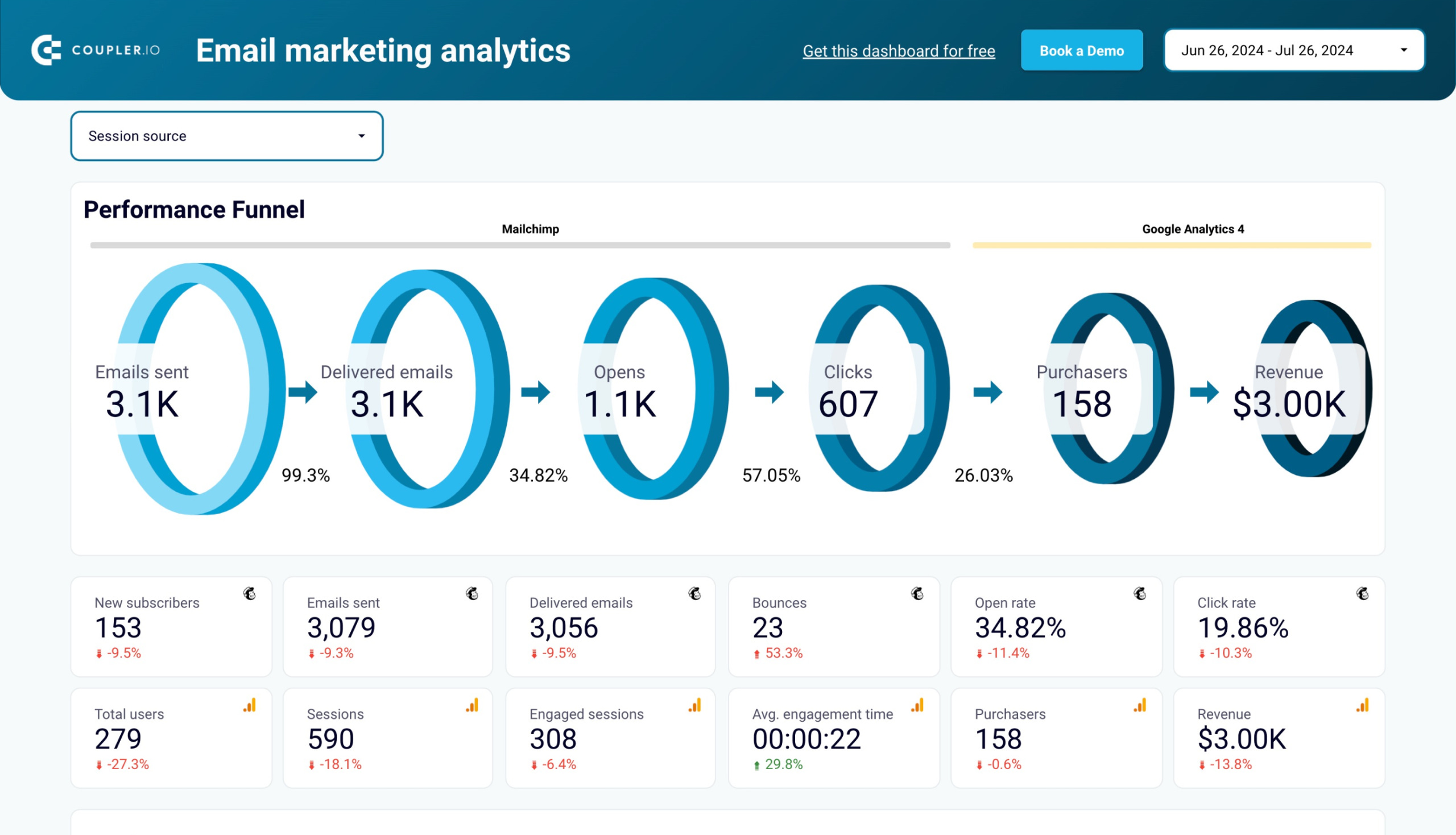
Without the right software, teams waste hours on manual list management and generic blasts that rarely convert. The top email marketing platforms solve this by offering:
Drag-and-drop template builders
Behavior-based automation triggers
Real-time performance dashboards
Integrations with CRMs and ecommerce stores
These features let even small teams run campaigns that once required a full marketing department.
What to Look for in an Email Marketing Agency
Not every business has the time or expertise to run campaigns internally. That’s where an email marketing agency becomes valuable, handling strategy, design, and optimization on your behalf.
A strong agency partner should offer:
Proven experience in your specific industry
Transparent reporting on open rates, clicks, and conversions
A/B testing built into every campaign
Compliance knowledge (CAN-SPAM, GDPR, etc.)
Working with a specialized email marketing agency often costs less than hiring an in-house team while delivering more consistent results, since agencies bring tested playbooks rather than trial and error.
Best Ecommerce Marketing Tools: Email SMS List Strategies
Online retailers rely heavily on ecommerce marketing tools email sms list features to recover abandoned carts, promote flash sales, and re-engage dormant customers.
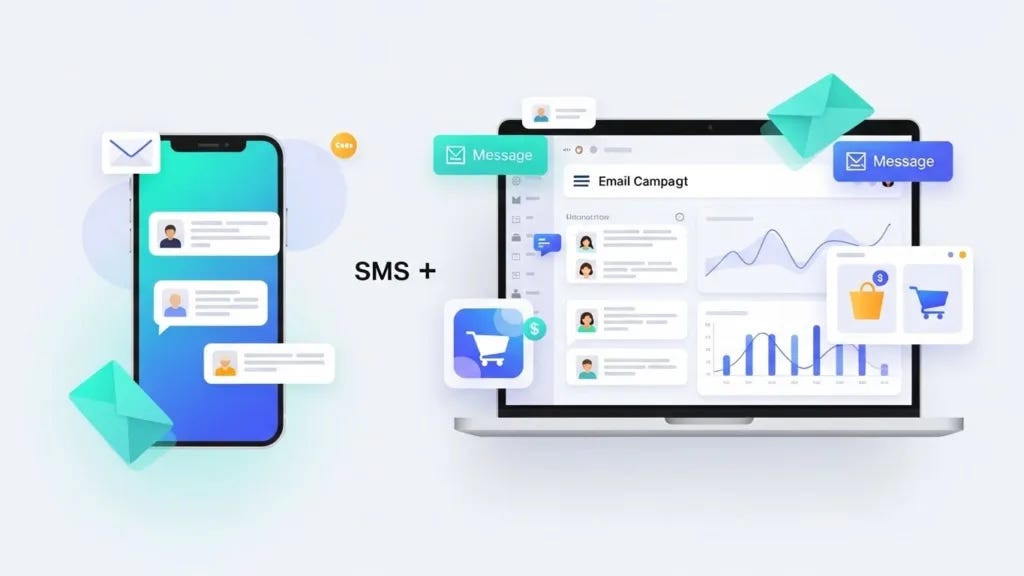
Combining email with SMS creates a layered communication strategy. A customer might miss an email but notice a text reminder about their cart within minutes.
Key ecommerce-focused capabilities include:
Abandoned cart recovery sequences
Post-purchase upsell flows
Loyalty and rewards messaging
Synced email and SMS opt-in lists
Platforms that unify email and SMS under one dashboard reduce duplicate work and give a clearer picture of the full customer journey.
Email Marketing for Sales Teams: Driving Pipeline Growth
Sales-focused email tools differ from typical marketing platforms because they prioritize individual outreach over bulk campaigns. Email marketing for sales teams focuses on personalization, timing, and follow-up automation.
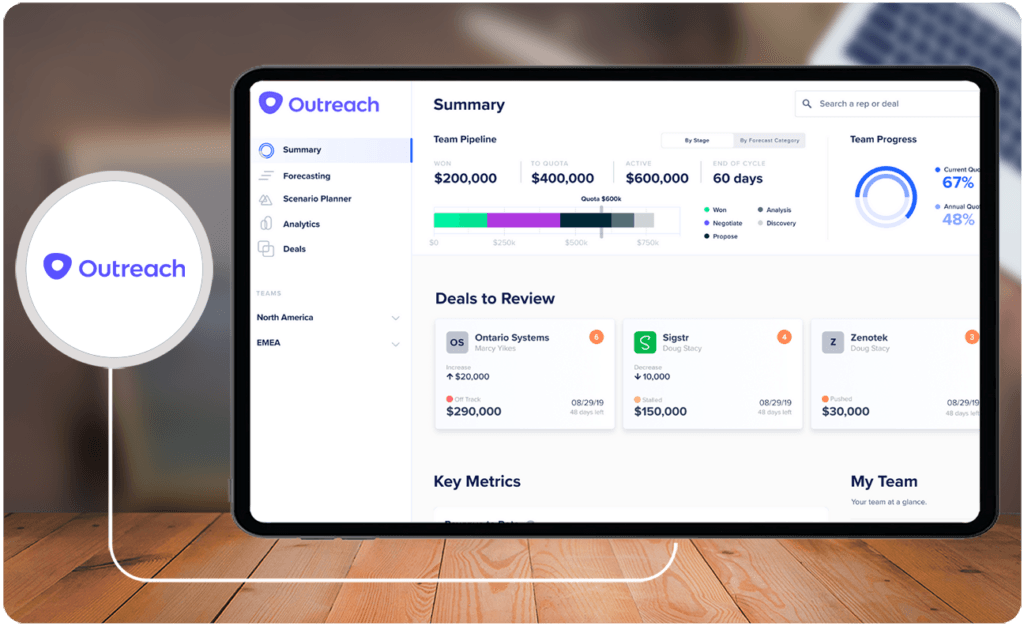
Reps benefit from features like:
Automated follow-up sequences based on prospect activity
Email open and click notifications in real time
Templates that sync directly with CRM records
Meeting scheduling links embedded in messages
When sales and marketing platforms are aligned, leads move through the pipeline faster because messaging stays consistent from first touch to closed deal.
Email Marketing for Auto Dealers: Turning Leads into Test Drives
Dealerships face unique challenges: long buying cycles, service reminders, and seasonal promotions all competing for attention. Email marketing for auto dealers needs to handle this complexity without overwhelming the customer.
Effective dealer campaigns typically include:
New inventory alerts based on customer preferences
Service and maintenance reminder emails
Trade-in value promotions
Follow-ups after test drives or showroom visits
Dealers who segment their lists by vehicle interest, purchase history, and service status see noticeably higher engagement than those sending one generic blast to the entire database.
Key Features Every Platform Should Offer
Regardless of industry, certain features separate strong platforms from basic ones. Before committing to a tool, confirm it includes:
Automation and Workflows
Triggered emails based on user behavior save time and improve relevance.
Segmentation
The ability to group contacts by demographics, purchase history, or engagement level.
Analytics and Reporting
Clear dashboards showing what’s working, not just vanity metrics like open rates.
Deliverability Tools
Built-in spam testing and sender reputation monitoring to keep emails out of spam folders.
How to Choose the Right Platform for Your Business
Picking from the top email marketing platforms depends on your goals, budget, and technical resources. A small ecommerce shop has very different needs than a multi-location dealership.
Consider these steps:
List your must-have integrations (CRM, ecommerce platform, SMS provider)
Compare pricing tiers against expected contact list growth
Test customer support responsiveness before committing
Review case studies from businesses in your industry
Many platforms offer free trials, which makes it easier to evaluate usability before signing an annual contract.
Common Mistakes to Avoid in Email Marketing
Even with great tools, poor execution limits results. Watch out for these frequent missteps:
Sending the same message to every contact regardless of behavior
Ignoring mobile optimization for emails and SMS
Failing to clean inactive subscribers from lists
Skipping A/B testing on subject lines and send times
Avoiding these pitfalls, combined with the right platform, keeps engagement rates healthy over time.
Conclusion
Selecting from the top email marketing platforms isn’t just a technical decision, it’s a growth strategy. Ecommerce brands need strong ecommerce marketing tools email sms list capabilities to recover lost sales and build loyalty. Sales teams need automation that supports personal outreach, and dealerships need email marketing for auto dealers that respects long buying cycles and service relationships.
Whether you manage campaigns in-house or partner with an experienced email marketing agency, the goal stays the same: deliver relevant messages to the right people at the right time. Businesses that invest in the right platform and strategy consistently see stronger engagement, better retention, and measurable revenue growth.
FAQs
1. What makes a platform one of the top email marketing platforms? The best platforms combine automation, segmentation, strong deliverability, and integrations with tools like CRMs and ecommerce stores. Ease of use and reliable customer support also matter, especially for teams without dedicated technical staff.
2. Is hiring an email marketing agency worth it for small businesses? Yes, for businesses without in-house expertise, an agency often delivers better results faster. Agencies bring tested strategies, design resources, and compliance knowledge that would otherwise take months to develop internally.
3. How do ecommerce marketing tools email sms list features improve sales? Combining email and SMS lets brands reach customers through their preferred channel. Abandoned cart reminders sent via both email and text recover more sales than relying on a single channel alone.
4. What’s different about email marketing for sales teams compared to marketing campaigns? Sales-focused email tools prioritize individual, timely follow-ups tied to CRM activity rather than bulk newsletters. The focus is moving one prospect through a pipeline, not reaching a broad audience at once.
5. Why is email marketing for auto dealers different from other industries? Car buying involves longer research periods and ongoing service relationships. Dealers need segmented campaigns covering inventory alerts, service reminders, and promotions tailored to each customer’s vehicle history.
6. How often should businesses send marketing emails? Frequency depends on the audience and industry, but consistency matters more than volume. Weekly or biweekly emails work for most ecommerce brands, while dealerships often benefit from monthly updates plus event-triggered messages.
7. Can small businesses use the same platforms as large enterprises? Many top platforms offer scalable pricing tiers, so small businesses can start with basic features and upgrade as their contact list and needs grow.
8. What’s the biggest factor in email deliverability? Sender reputation, list hygiene, and relevant content matter most. Regularly removing inactive subscribers and avoiding spam-trigger words in subject lines significantly improves inbox placement.